Quick facts
- Trend
- Hybridised flagships
- Upside
- Instant torque, efficiency
- Downside
- Weight & complexity
- Outlook
- Here to stay
The shift at the top
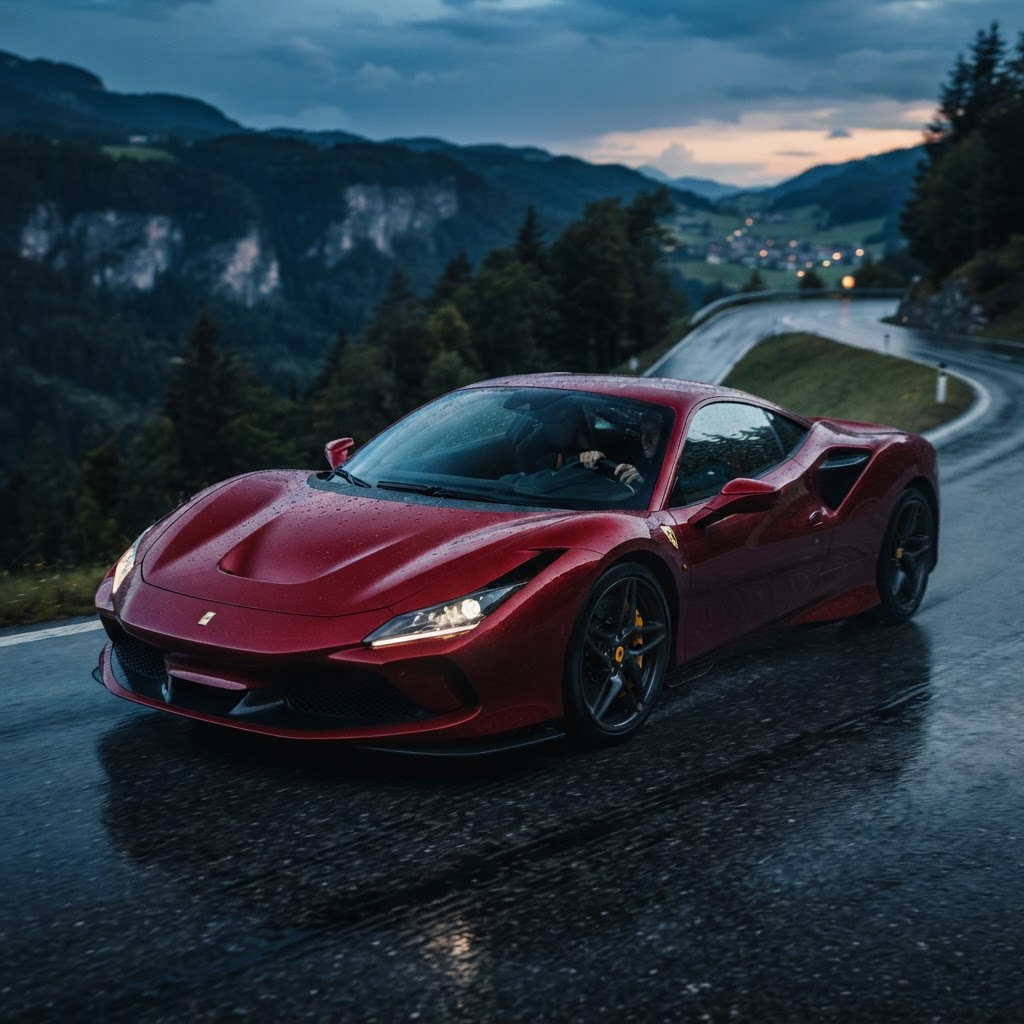
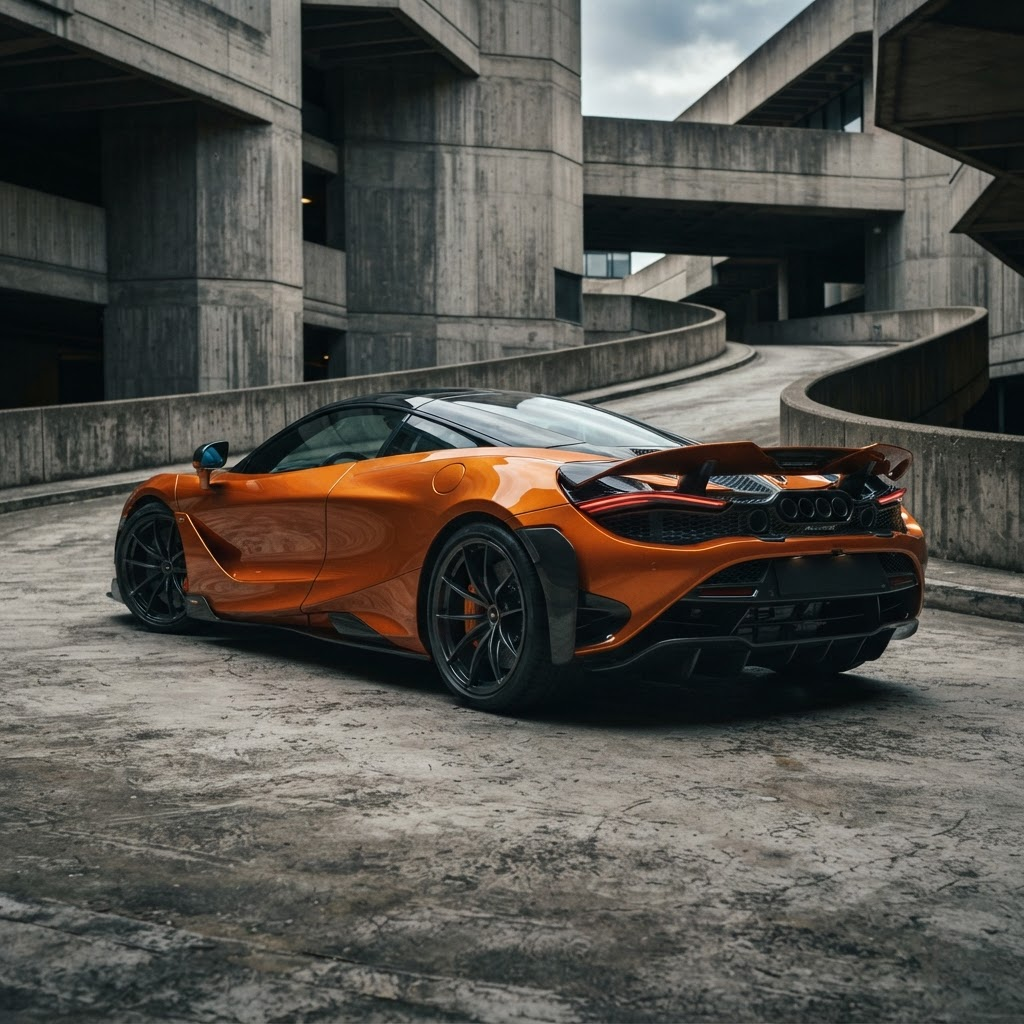
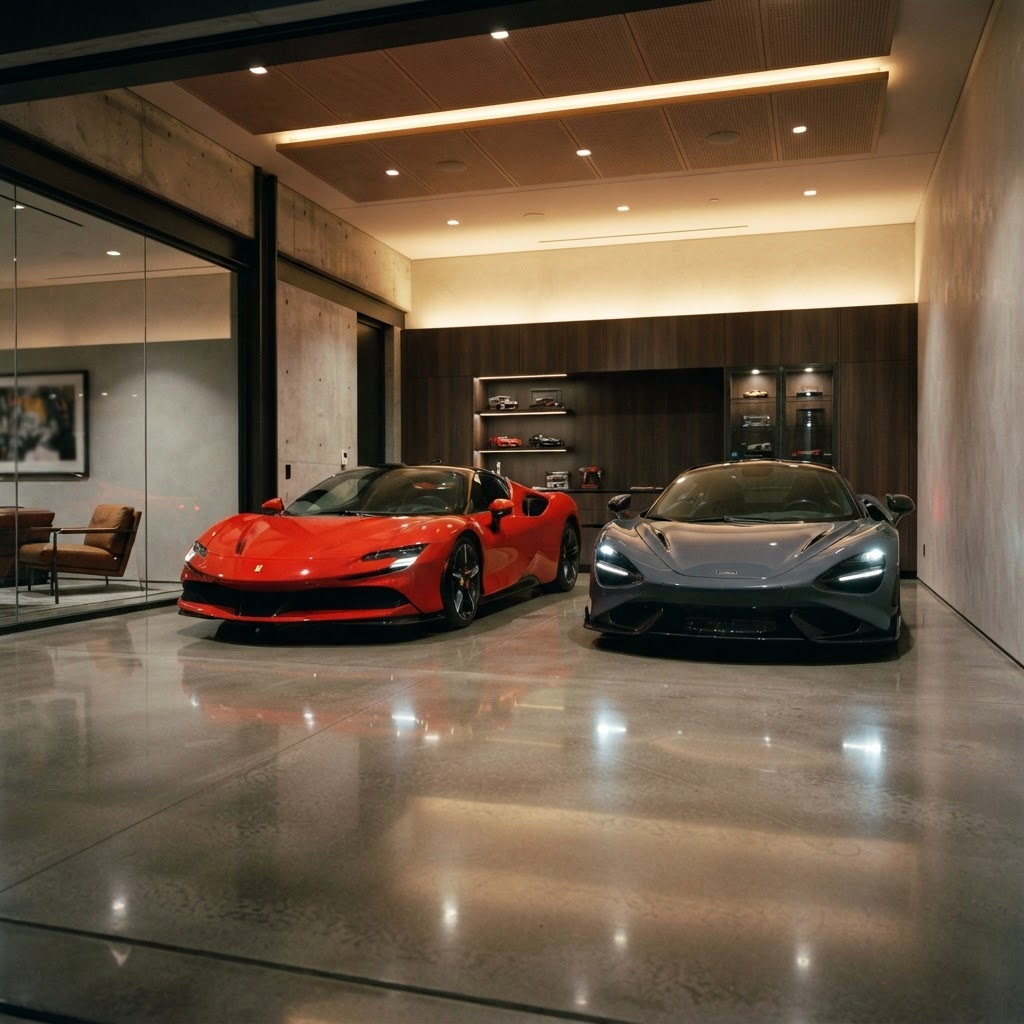
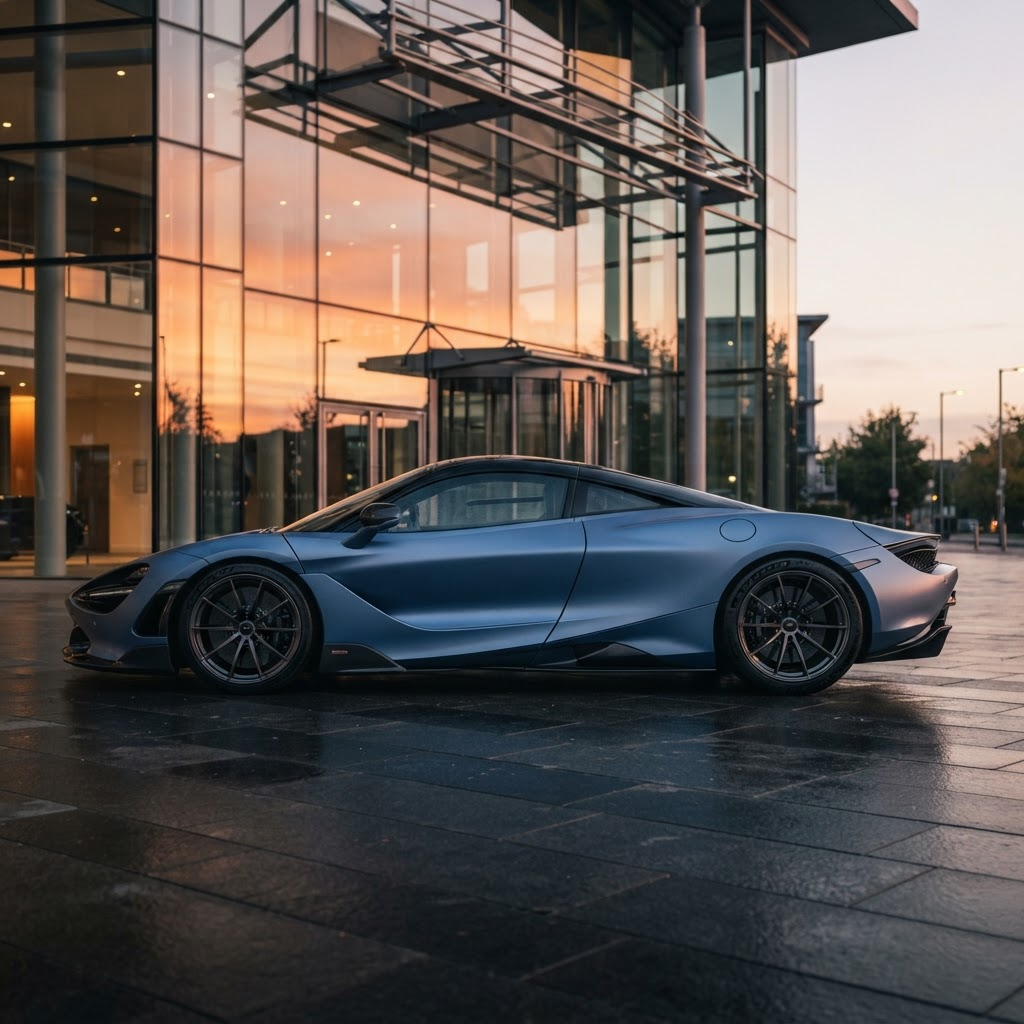
Hybridisation is no longer confined to eco hatchbacks. The fastest cars in the world now pair combustion engines with electric motors, using instant torque to fill in the gaps and unlock performance that was previously impossible.
For enthusiasts this is a double-edged sword: the numbers are astonishing, but the philosophy is changing.
What actually changes
The upside is real. Electric assistance eliminates turbo lag, adds torque-vectoring precision and improves everyday drivability and efficiency. The downside is weight and complexity, which can dull the delicacy that defines the greatest driver’s cars.
The best hybrid systems disguise their mass brilliantly; the weakest simply feel heavy. As buyers, learning to tell the difference is the new skill.
What we love
- Devastating instant torque
- Improved everyday efficiency
- New layers of performance
Worth considering
- Added weight blunts purity
- Greater long-term complexity
- Battery longevity questions
Editor-in-Chief
James Hartley
Two decades road-testing exotics from Maranello to the Nürburgring. James leads editorial standards and drives every flagship we cover.