Quick facts
- Engine
- 6.5L naturally aspirated V12
- Power
- 820 hp @ 8,500 rpm
- 0–60 mph
- 2.9 seconds
- Top speed
- 211 mph
- Price from
- £380,000
First impressions
There is a particular kind of anticipation that comes with a naturally aspirated V12. Before you have turned a wheel, the specification alone tells you this car was built to a philosophy rather than a spreadsheet. Cold-start it and the engine settles into a hard, metallic idle that feels closer to a race car than anything with number plates has a right to.
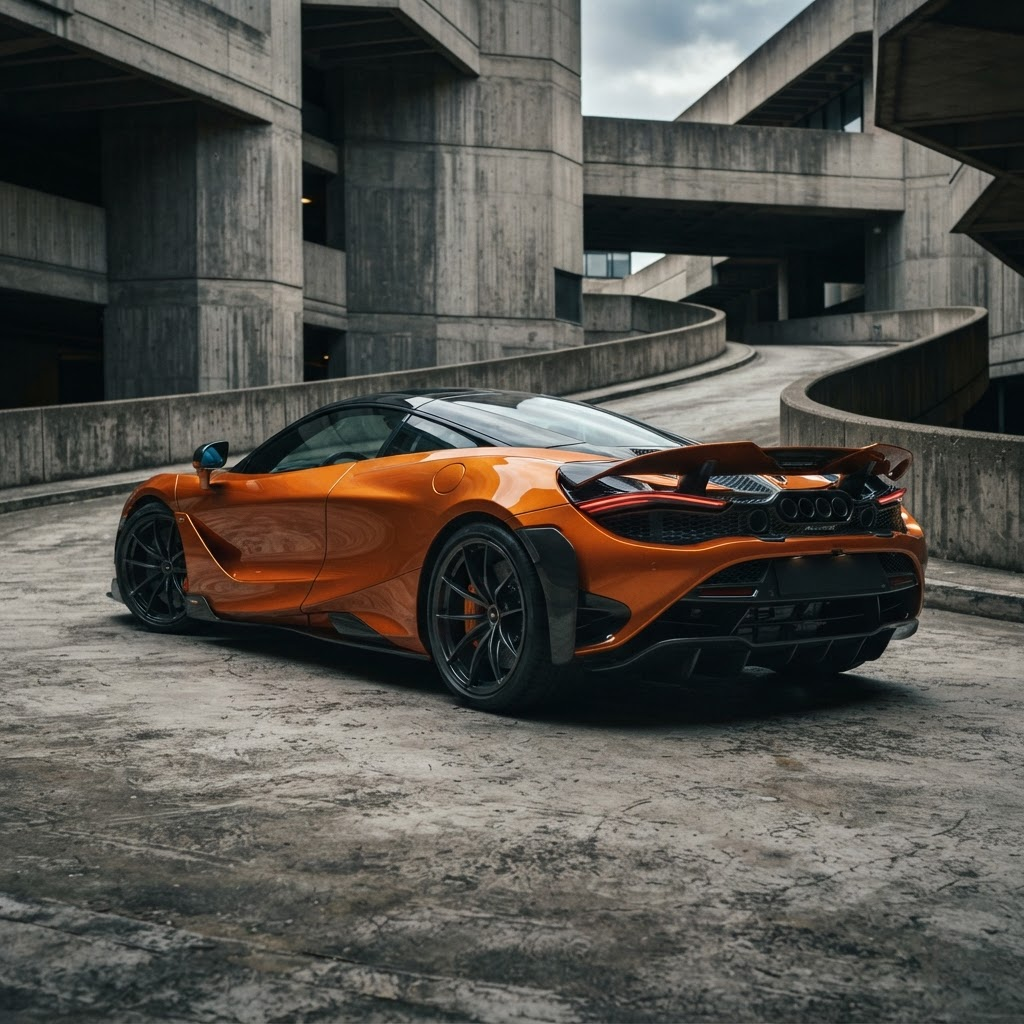
The proportions are dramatic without being cartoonish. Every intake and vent is doing a job, and the surfacing manages to look both muscular and precise. It is a car that stops conversations in a car park, yet rewards a closer look with genuine engineering honesty.
On the road
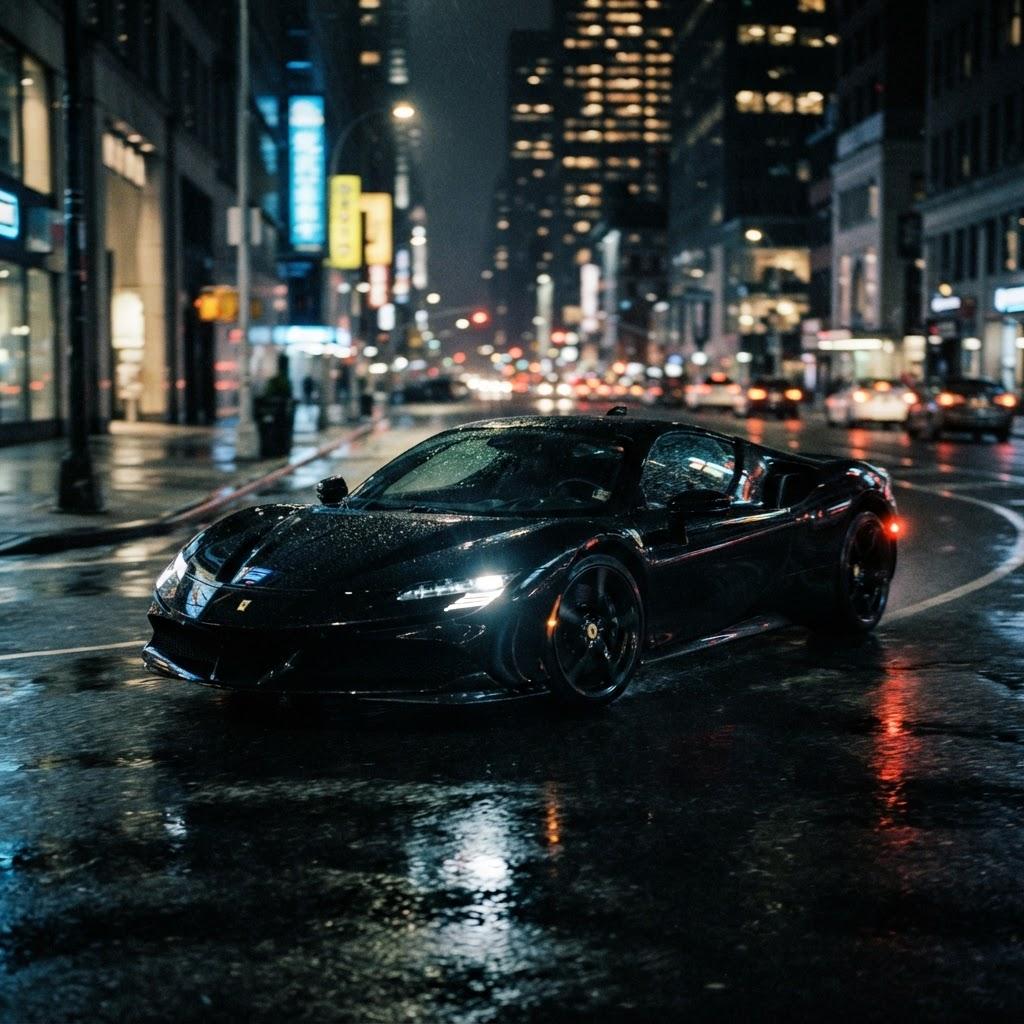
Away from the drama, the everyday manners surprise you. The adaptive dampers have a genuinely usable soft setting, the gearbox shuffles smoothly through town, and forward visibility is better than the low seating position suggests. This is a supercar you could realistically use more than a handful of weekends a year.
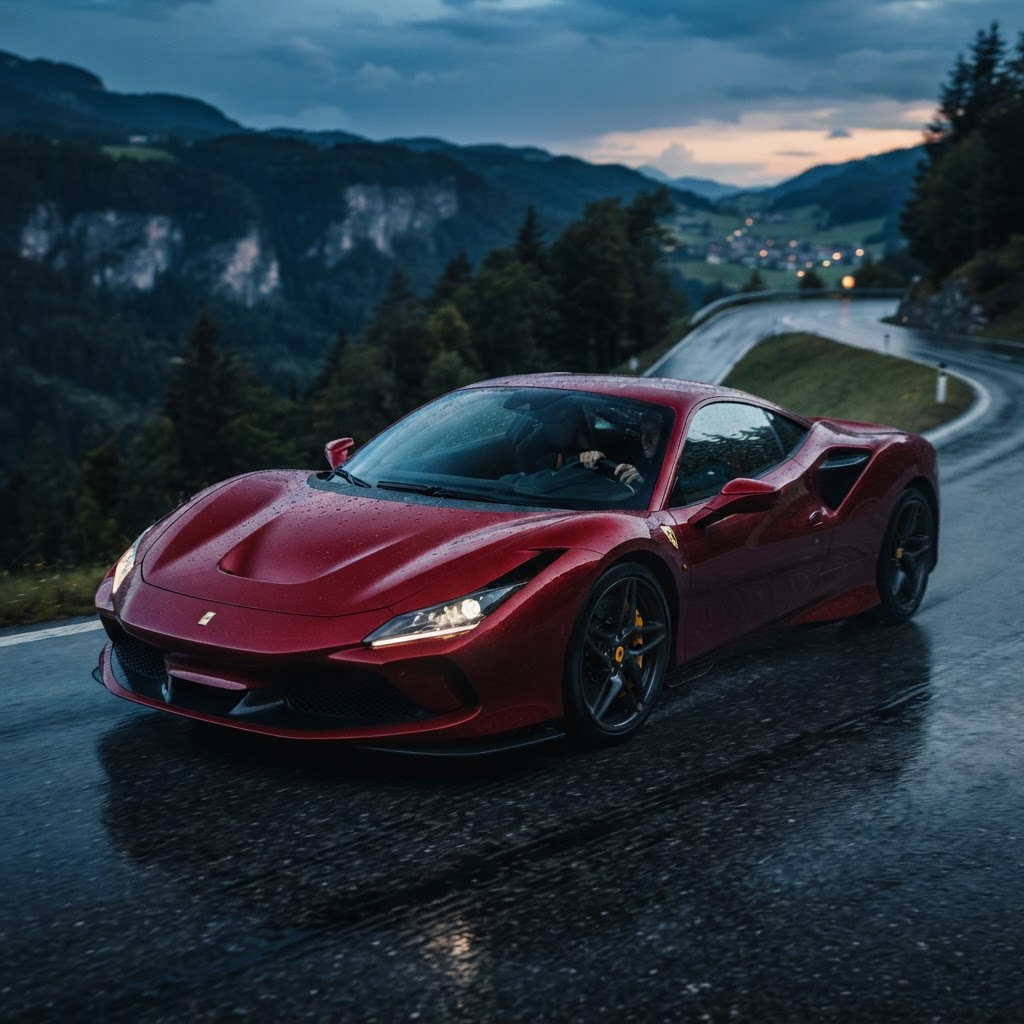
Then you find an open road and everything sharpens. Throttle response is instant in a way turbocharged rivals cannot match, and the engine pulls with a ferocity that builds rather than explodes. The last 2,000 rpm is where the magic lives — and it is worth every fine you will be tempted to earn.
Performance & handling
Grip levels are enormous, but what defines the car is balance. The rear axle steers subtly to tighten your line, and the front end bites with a confidence that flatters an enthusiastic driver rather than intimidating them. Traction out of slow corners is remarkable for a rear-driven car of this output.
Braking is equally impressive, with carbon-ceramic discs that resist fade lap after lap and a pedal that stays firm and communicative. On a fast, flowing circuit this is a car that shrinks around you rather than one you fight.
The verdict
If this really is the last of the naturally aspirated flagship V12s, it is a magnificent send-off. It combines a once-in-a-generation engine with the poise and usability that make a supercar something you want to live with, not just admire.
It is not cheap, and the options list is a slippery slope, but as a driving experience it is close to untouchable. For enthusiasts, this is the car to buy while you still can.
What we love
- One of the greatest engines ever fitted to a road car
- Steering feel and body control set a class benchmark
- Genuine everyday usability for a car this focused
Worth considering
- Options list inflates the price rapidly
- Firm low-speed ride on the largest wheels
- Rear visibility takes acclimatisation
Editor-in-Chief
James Hartley
Two decades road-testing exotics from Maranello to the Nürburgring. James leads editorial standards and drives every flagship we cover.