Quick facts
- Typical 0–60 mph
- 2.5–3.0 sec
- Typical top speed
- 200–220 mph
- Hypercar 0–60
- Under 2.5 sec
- Fastest production cars
- 300 mph+
How quick is quick?
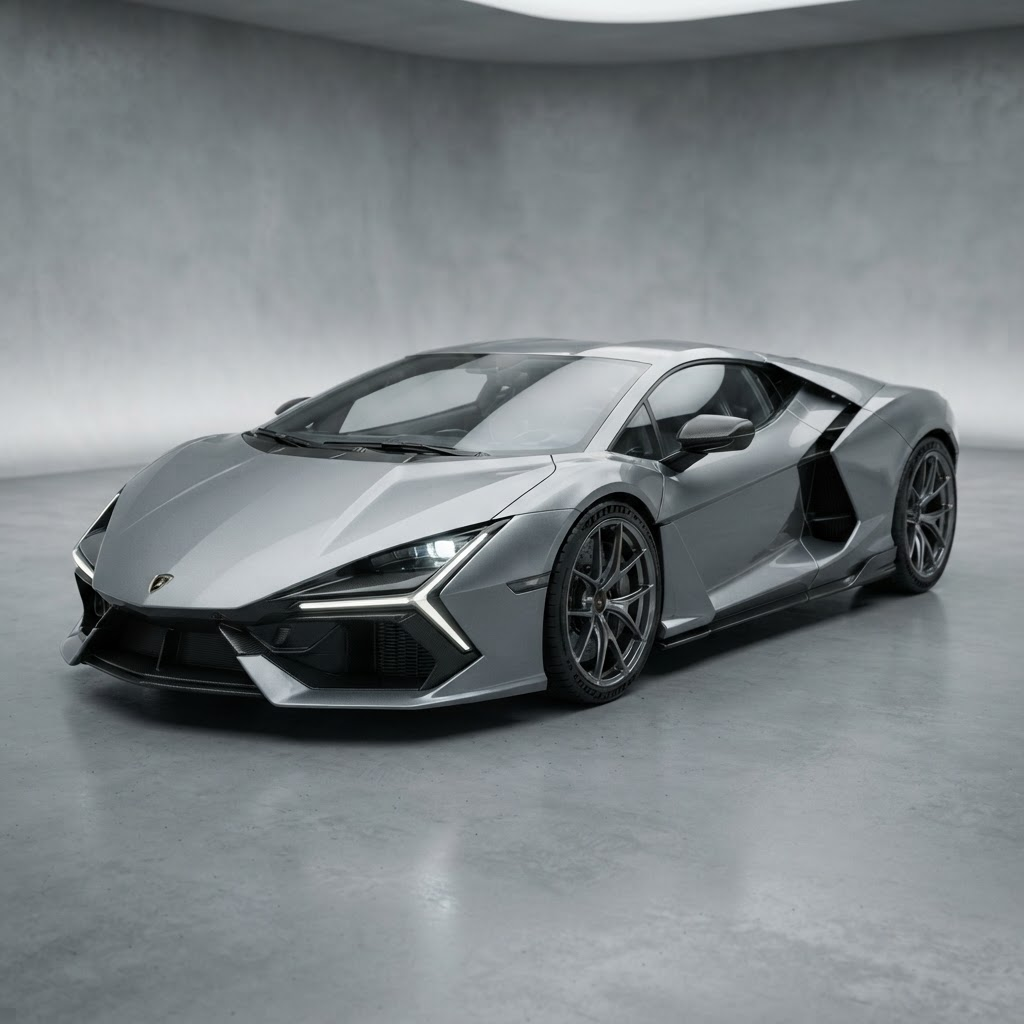
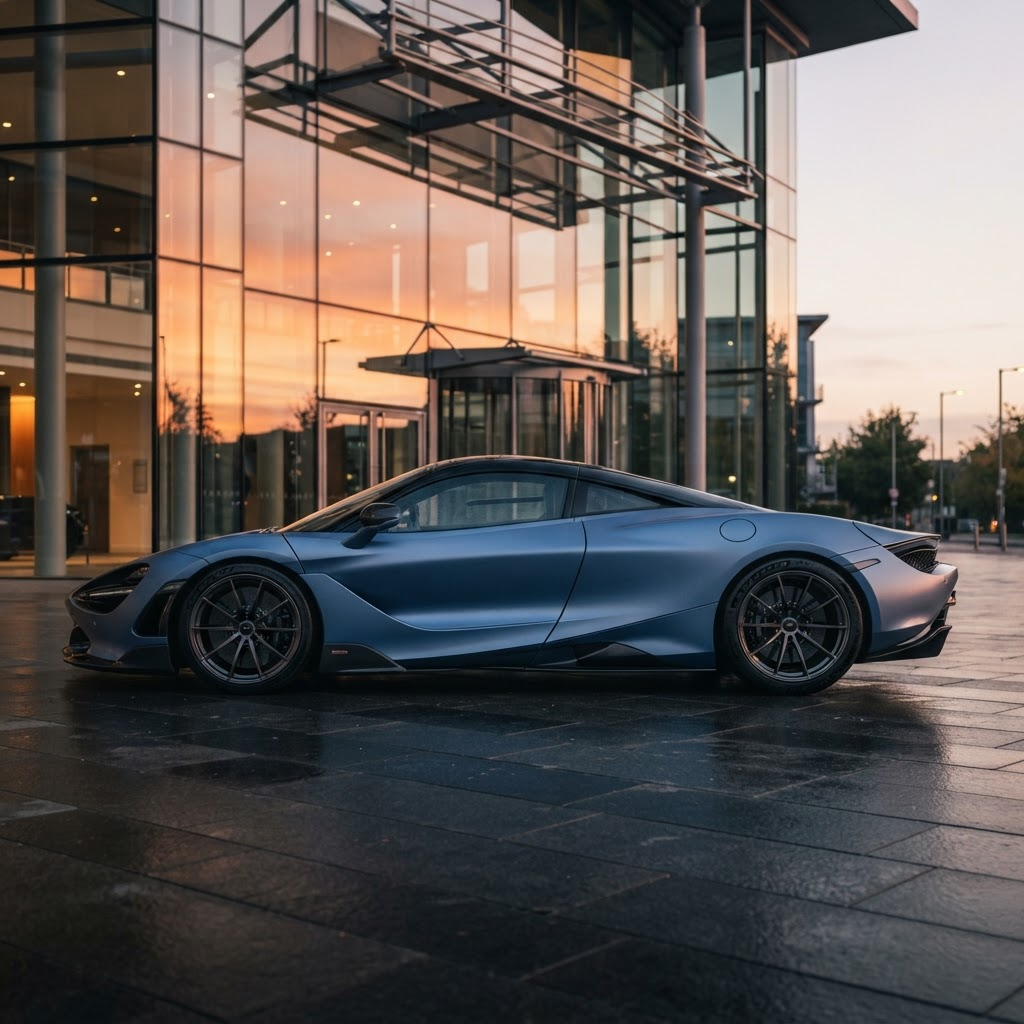
A typical modern supercar accelerates from 0 to 60 mph in 2.5 to 3.0 seconds and reaches a top speed of 200 to 220 mph. For context, a fast hot hatch takes around six seconds to 60 mph, so a supercar is roughly twice as quick off the line.
The most extreme hypercars go further still, cracking 60 mph in under 2.5 seconds — fast enough that the limiting factor is often the driver’s ability to breathe, not the car’s ability to accelerate.
Why are they so fast?
Three things do most of the work: enormous power-to-weight ratios, sophisticated traction and launch systems, and sticky tyres. A supercar might produce 600–800 horsepower while weighing little more than a family saloon, and lightweight carbon-fibre construction keeps that mass down. Kerb weight is the figure to watch here — if you want to understand how manufacturers quote it and how it differs from gross vehicle weight, GVW.net has a clear breakdown.
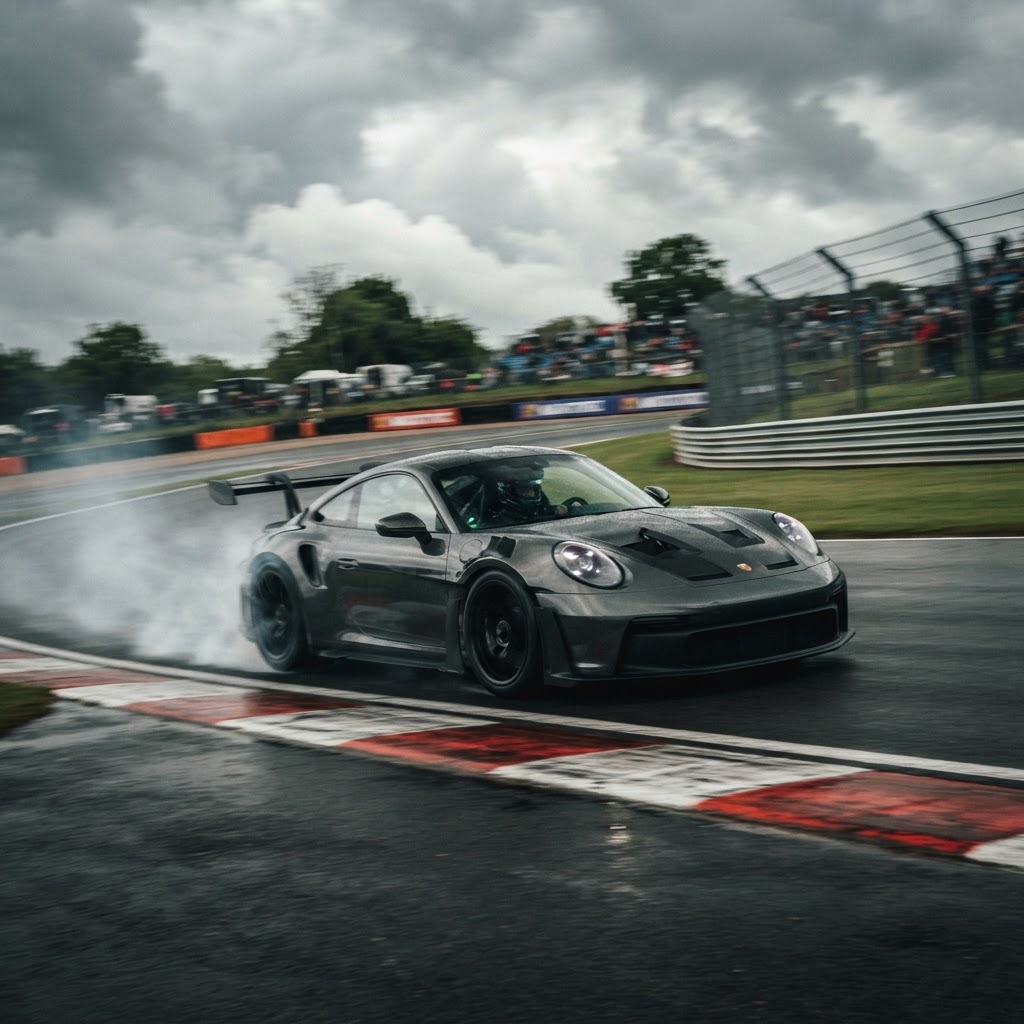
Launch control and all-wheel drive (on many modern examples) put the power down cleanly, while wide, soft compound tyres provide the grip needed to convert it into forward motion rather than wheelspin.
Putting the numbers in context
Straight-line figures grab headlines, but they rarely reflect how a car feels to drive. Throttle response, the sound and delivery of the engine, and how the car behaves through corners matter far more day to day than a tenth of a second to 60 mph.
That is why our reviews focus on the whole experience rather than a single number — our naturally aspirated V12 flagship review is a good example of feel trumping figures. A slightly slower car that feels alive and communicative is almost always more rewarding than a faster one that feels clinical. If you are still getting your bearings, start with supercar vs sports car.
Editor-in-Chief
James Hartley
Two decades road-testing exotics from Maranello to the Nürburgring. James leads editorial standards and drives every flagship we cover.